Dear Coach Bryant:
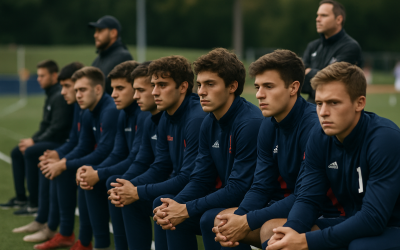
My son is a senior on his high school hockey team, and while he’s getting plenty of ice time, he’s really struggling with his coach. The team as a whole seems frustrated—the players say communication is poor, and morale is low. I’ve tried to remind my son that no coach is trying to lose games and that he should focus on being a positive leader, but I’m starting to sound like a broken record. How can I keep encouraging him to stay positive when he’s clearly frustrated with his coach? Or should I just stay out of it at this point?
Frustrated in Fargo

Dear Frustrated:
You’re not alone—many parents of senior athletes face this same dilemma. By the final season, players often have strong opinions about how things should be done, and when leadership feels lacking from the top, frustration grows quickly. But this is actually a powerful learning moment for your son: how to lead when leadership isn’t perfect.
Ownership Is the Key
As a senior, your son has earned the credibility to take initiative. Encourage him to respectfully request regular meetings—weekly or bi-weekly—with the coaching staff to discuss communication, team dynamics, and goals. Framed the right way (“We want to help strengthen team-coach communication”), this can be seen as a proactive leadership move, not criticism.
Perspective Builds Empathy
By opening those lines of communication, your son may gain valuable perspective on the coach’s challenges. Understanding the reasoning behind certain decisions can help shift frustration into empathy, which is one of the strongest markers of maturity in athletes and leaders alike.
Leave a Legacy
Remind your son that this season is his chance to leave the program better than he found it. Even if he can’t change the coach’s style, he can influence the culture his younger teammates inherit. How he responds in this moment—by leading with patience, positivity, and initiative—will define the example he leaves behind. That’s the kind of legacy that lasts far longer than goals scored or games won.
The Reality
Not every athlete gets to play for a great communicator or inspiring leader—but every athlete gets to choose how they respond. This is a chance for your son to take ownership, build leadership skills, and contribute to a healthier team culture from the inside out. Even if the coach doesn’t change, he will—and that growth will serve him well far beyond the rink.
All the best,
Coach Bryant